

Other Conditions
Beyond Brushing: How Stress and Anxiety Cause Dry Mouth
Do you diligently brush and floss, yet still battle persistent bad breath? While good hygiene is vital, sometimes the culprit isn't plaque – it's pressure. Many wonder if anxiety can cause bad breath despite a perfect routine? The answer is a resounding yes.
This article explores how stress and anxiety impact your oral environment, leading to issues like dry mouth, canker sores and smelly breath. We'll delve into the science behind stress and oral health, uncover why dry mouth is more than an inconvenience, and address how to effectively fix bad breath by understanding its root causes, including gut health.


The Hidden Link: How Stress and Anxiety Impact Your Oral Health

Beyond Dryness: Other Oral Manifestations of Stress

Unpacking the "Smelly Breath": Why Stress Leads to Halitosis
Reduced Saliva and Bacterial Overgrowth
The Gut-Oral Connection: Stress, Digestion, and
Bad Breath

When to Consult a Professional
Taking Control: Effective Strategies to Combat Stress-Induced Bad Breath
- Managing Stress: Tackle stress directly by incorporating stress-reducing practices. Mindfulness, deep breathing, yoga, and regular physical activity can calm the nervous system. Ensure adequate sleep, as deprivation exacerbates stress. Professional help, like therapy, can also be beneficial.
- Optimizing Oral Hygiene and Hydration: Even with stress as a factor, impeccable oral hygiene is crucial. Brush twice daily, floss daily, and use a tongue scraper. Drink plenty of water to stimulate saliva. Chew sugar-free gum and opt for alcohol-free mouthwashes. Your dentist may also recommend specific xerostomia products.
- Dietary Adjustments and Gut Health Support: Supporting gut health helps combat bad breath. A balanced diet rich in fiber, probiotics, and prebiotics can foster a healthy gut microbiome. Reduce processed foods and sugars. If you experience acid reflux, identify trigger foods. Probiotic supplements can also support microbiome balance.
Product Recommendations for a Strong Oral Care Routine

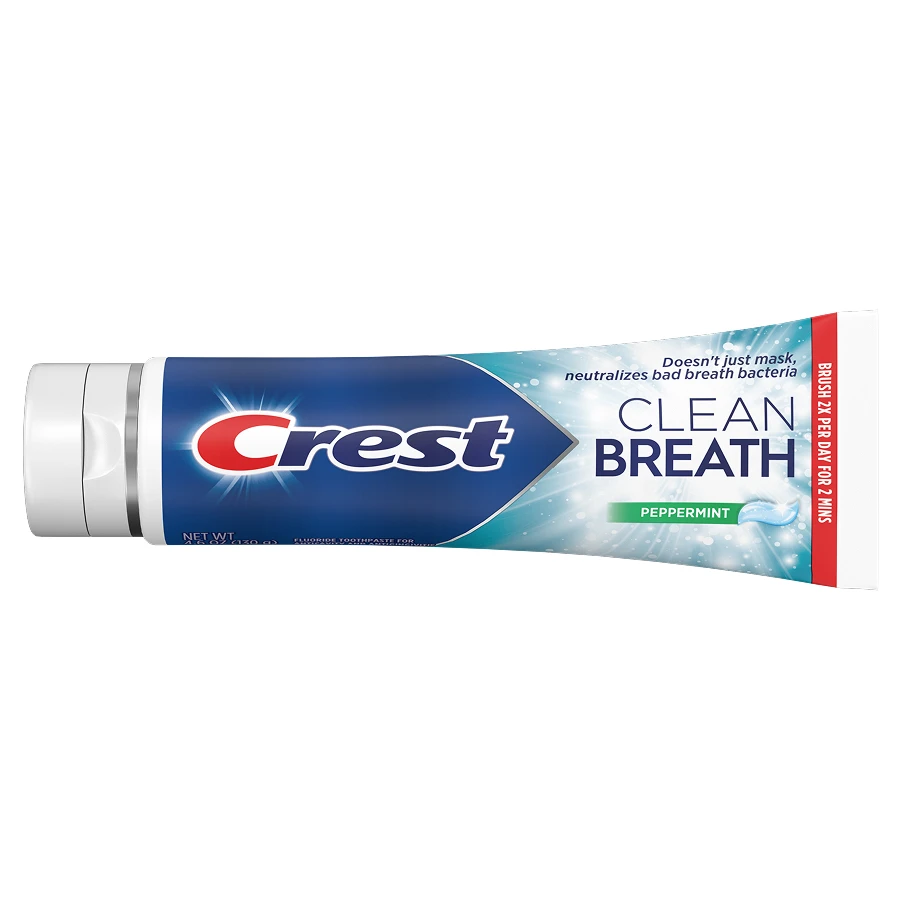
- Start your routine with Crest Clean Breath Toothpaste. This stannous fluoride formula works around the clock, actively preventing cavities and fighting the bacteria that cause bad breath so you enjoy a long-lasting, fresh, and clean feeling.
- Elevate your freshness with a mouthwash. These are essential for reducing odor-causing bacteria and neutralizing Volatile Sulfur Compounds (VSCs) – the main culprits behind bad breath. Reach for Crest Mouthwash not just for superior cavity and tartar protection, but to complete your routine with an invigorating, long-lasting clean and fresh feeling.
- The Oral-B iO electric toothbrush, for instance, removes significantly more plaque than a manual brush, attacking the root cause of tooth decay, gum disease and bad breath. Experience a truly deep clean that leaves your smile feeling remarkably fresh and vibrant.
- Oral-B iO Ultimate Clean brush head is engineered with unique bristle lengths to reach deep into the hidden spaces between your teeth, dislodging stubborn plaque and the odor-causing bacteria that love to hide there. This ultimate clean is key to a perpetually fresh and healthy smile.
- Oral-B Glide Pro-Health Deep Clean Floss uses microtextured fiber to remove plaque and help prevent gingivitis as part of a comprehensive dental care plan.
Conclusion


Can stress really cause bad breath even if I brush regularly?
What's the connection between stress, canker sores, and bad breath?
How does my gut health relate to stress-induced bad breath?
Besides brushing, what's the best way to combat stress-related dry mouth?
When should I see a professional for bad breath that I think is stress-related?
References
- Cleveland Clinic. (n.d.). Dry Mouth (Xerostomia): Symptoms, Causes & Treatment. Retrieved from https://my.clevelandclinic.org/health/diseases/10946-cavities
- Mayo Clinic. (n.d.). Canker sores. Retrieved from https://www.mayoclinic.org/diseases-conditions/canker-sore/symptoms-causes/syc-20370615
- WebMD. (n.d.). Bad Breath (Halitosis) Causes, Treatments, and Prevention. Retrieved from https://www.webmd.com/oral-health/features/bad-breath-causes-treatments
- American Dental Association (ADA). (n.d.). Halitosis (Bad Breath). Retrieved from https://www.mouthhealthy.org/en/az-topics/h/halitosis
- Ohman, A., & Jönsson, B. (1990). Psychological stress and oral health: some recent findings. Acta Odontologica Scandinavica, 48(4), 213-220.
- He, T., et al. (2017). The Case for Stabilized Stannous Fluoride Dentifrice: An Advanced Formulation Designed for Patient Preference. Journal of Clinical Dentistry, 28(4 Spec No B), B1-5. Link to: https://pubmed.ncbi.nlm.nih.gov/29334434/
- Zou, Y., et al. (2024). A meta-analysis comparing toothbrush technologies on gingivitis and plaque. International Dental Journal, 74(1), 146-156. https://doi.org/10.1016/j.identj.2023.06.009